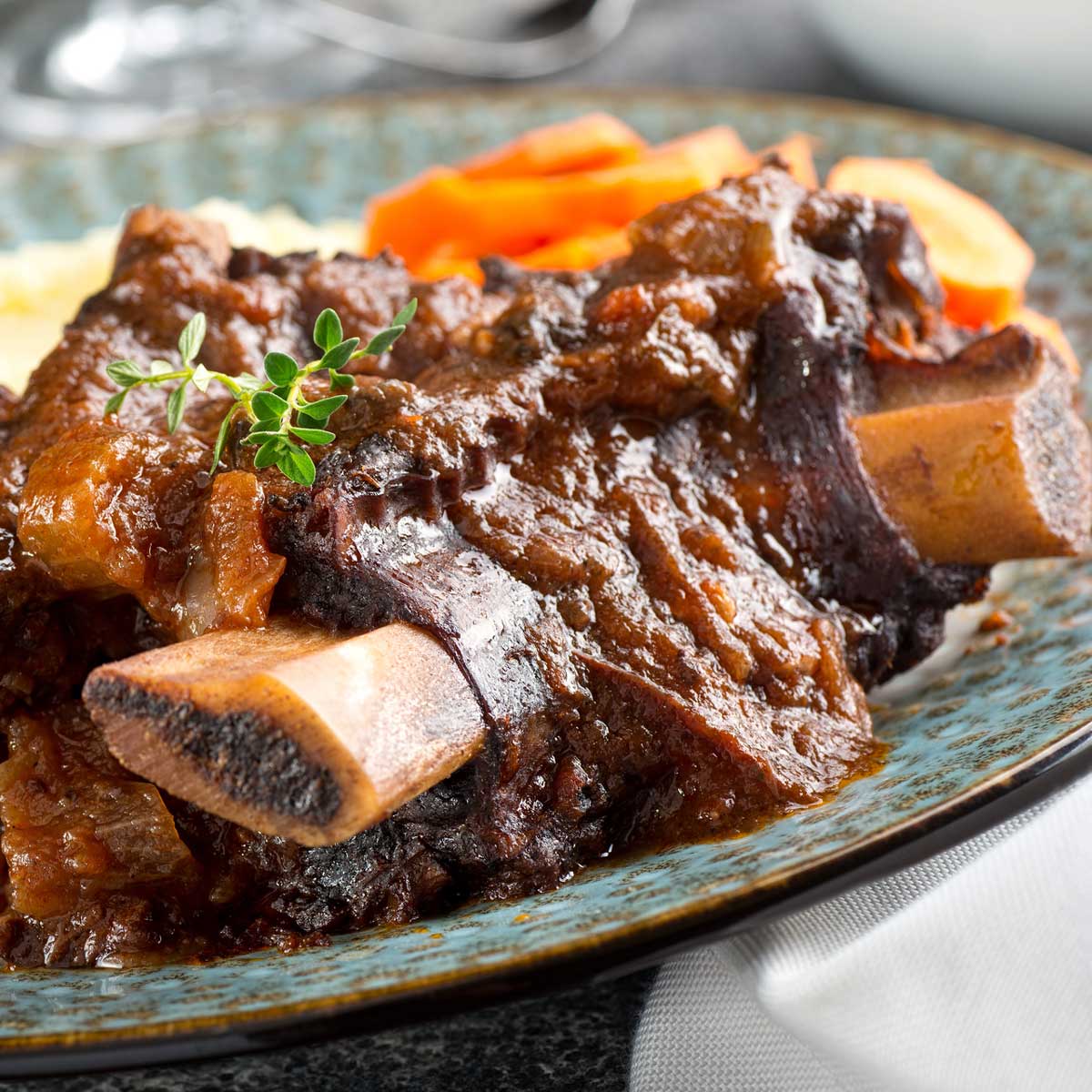
There are few culinary experiences as deeply satisfying as a plate of perfectly braised short ribs. This iconic comfort food, with its rich, unctuous sauce and melt-in-your-mouth texture, often conjures images of complex, labor-intensive cooking. However, mastering a truly exceptional braised short rib recipe is far more straightforward than you might imagine. The secret lies not in intricate techniques, but in adhering to two fundamental, foolproof principles: achieving deep, caramelized browning and braising until the meat is unequivocally fork-tender.
This article will guide you through the process, transforming robust beef short ribs into a show-stopping dish that is both easy enough for a weeknight and impressive enough for a special occasion. We'll demystify the steps, from selecting the best cuts to perfecting the braising liquid, ensuring that every bite delivers a symphony of flavor and texture.
The Secret to Unforgettable Braised Short Ribs: Two Non-Negotiables
The beauty of a great braised short rib recipe lies in its simplicity and reliance on time-tested culinary wisdom. Forget complicated maneuvers; focus instead on these two crucial elements that guarantee success every single time.
Deep Browning: The Flavor Foundation
This is arguably the most critical step, and one often rushed by home cooks. When we talk about browning, we're not just aiming for a light golden hue. We're talking about a deep, dark, crusty, and caramelized exterior. This isn't just for aesthetics; it's about unlocking a profound depth of flavor through the Maillard reaction.
- The Maillard Reaction Explained: This complex chemical reaction occurs when amino acids and reducing sugars in the meat are exposed to high heat. It creates hundreds of new flavor compounds, responsible for that savory, roasted, umami taste and beautiful browned crust. Without it, your braise will lack complexity and depth.
- Tips for Perfect Searing:
- Pat Them Dry: Before seasoning, thoroughly pat your short ribs dry with paper towels. Excess moisture on the surface will steam the meat rather than sear it, preventing that crucial crust from forming.
- Hot Pan, Not Too Hot: Use a heavy-bottomed Dutch oven or oven-safe pot over medium-high heat. A little vegetable oil with a high smoke point is essential. The oil should shimmer, but not smoke excessively.
- Don't Crowd the Pot: Sear the ribs in batches. Overcrowding lowers the pan temperature, leading to steaming instead of searing. Give each piece ample space to develop that gorgeous crust.
- Patience is Key: Resist the urge to move the ribs too soon. Let them sear undisturbed for 6-8 minutes per side. You're looking for a dark brown, almost mahogany color.
Fork-Tender Perfection: The Ultimate Goal
Once you've achieved that perfect sear, the rest is largely a matter of patience. Braising is a low-and-slow cooking method that transforms tough cuts of meat into something wonderfully tender. The goal is to cook the short ribs until they are "meltingly tender" – so tender that you can shred the meat effortlessly with a fork, or it practically falls off the bone. This isn't just a desirable outcome; it's a non-negotiable for a truly great braised short rib recipe.
- The Science of Tenderness: Short ribs are rich in collagen, a tough connective tissue. Long, slow cooking in a moist environment at a consistent low temperature (like 275°F in an oven) breaks down this collagen into gelatin. Gelatin is what gives braised meats their succulent texture and contributes body to the sauce.
- Don't Undercook: The reference aptly states, "the only way to mess these up is to undercook them, so don't." There's no middle ground with braised short ribs; they are either tender or tough. If they feel resistant to a fork, they simply need more time.
Selecting Your Short Ribs & Essential Ingredients
A great dish starts with great ingredients. Understanding what to look for, especially when it comes to the beef, will set you up for success.
Choosing the Best Beef Short Ribs
For this braised short rib recipe, you'll want to aim for quality bone-in short ribs. When purchasing:
- Ask for Thick & Meaty: Short ribs shrink considerably during the long braising process. Opt for ribs that are at least 1½ inches thick and have a good amount of meat on them, not just bone and fat.
- Bone-In vs. Boneless: While boneless short ribs are available, bone-in ribs are generally preferred for braising. The bones contribute additional flavor and richness to the braising liquid, enhancing the overall depth of the dish.
- Quantity: Plan for about 1 pound of bone-in short ribs per person, as the weight includes the bone and fat that will render away. For a recipe serving 4-6, 5 pounds is a good starting point.
A Symphony of Aromatics & Liquids
Beyond the beef, the braising liquid is what infuses the ribs with incredible flavor. Our chosen recipe utilizes a classic combination:
- Mirepoix: A foundational mix of chopped onion, celery, and carrots provides a sweet and earthy base. These vegetables will soften and lend their flavors to the sauce, often strained out later for a refined texture.
- Garlic: Two whole heads, halved and browned, contribute a deep, mellow garlic flavor that’s worlds apart from raw garlic.
- Tomato Paste: Often overlooked, tomato paste is a concentrated powerhouse of umami. When caramelized in the pot, it adds a crucial savory depth and a subtle sweetness that balances the richness of the meat.
- Dry Red Wine: A critical component, dry red wine (like a Cabernet Sauvignon, Merlot, or Pinot Noir) provides acidity to tenderize the meat and a complex fruity, tannic backbone to the sauce. It's used for deglazing, scraping up all those delicious browned bits from the bottom of the pot.
- Beef Stock or Bone Broth: This is the primary liquid for the braise, contributing robust beefy flavor. High-quality stock makes a noticeable difference. If unavailable, beef bouillon dissolved in water or even chicken stock can work in a pinch.
- Fresh Herbs: Thyme sprigs are perfect for infusing an earthy, aromatic note into the slow braise. Fresh parsley, chives, and lemon zest are added at the end, providing bright, fresh contrast.
Mastering the Braising Process: A Step-by-Step Guide
With your ingredients prepped and your understanding of the two golden rules firm, let's dive into the practical steps for this Garlic & Red Wine Short Ribs: Stovetop to Slow Cooker Guide.
1. Initial Prep & Searing Success
- Preheat your oven to a gentle 275°F (135°C). This low, consistent temperature is ideal for long braising, ensuring even cooking and preventing the liquid from reducing too quickly.
- Pat the short ribs thoroughly dry. Season all sides generously with kosher salt and freshly ground black pepper. Don't be shy with the seasoning; much of it will transfer to the braising liquid.
- Heat 2 tablespoons of vegetable oil in a large, heavy-bottomed Dutch oven over medium-high heat until shimmering.
- Working in batches (crucial for proper browning!), sear the short ribs on all sides until deeply and evenly browned. This should take 6 to 8 minutes per batch. Transfer the browned ribs to a large plate as they finish.
2. Building the Flavorful Braising Liquid
- Once all ribs are seared, carefully pour off all but about 2 tablespoons of the remaining fat from the Dutch oven, leaving behind all those precious browned bits (called "fond").
- Reduce the heat to medium. Add the halved garlic heads, cut side down, and cook undisturbed until golden brown, about 1 to 2 minutes. This mellows the garlic significantly.
- Add the chopped onion, celery, and carrots to the pot. Season lightly with salt and pepper. Toss to coat and cook, stirring occasionally, until the vegetables have softened but are not yet browned, about 5 to 10 minutes.
- Stir in the 3 tablespoons of tomato paste. Continue to cook, stirring occasionally, for 2 to 3 minutes. Allow the tomato paste to caramelize slightly on the bottom and sides of the pot – this deepens its umami flavor.
- Pour in the 2 cups of dry red wine. Using a wooden spoon, vigorously scrape up any browned or caramelized bits stuck to the bottom of the pot. This is called deglazing, and it's essential for incorporating all that concentrated flavor into your sauce. Let the wine simmer for 2 to 3 minutes to reduce slightly and cook off some of its alcohol edge.
- Stir in the 2 cups of beef stock or bone broth, along with the 4 sprigs of fresh thyme.
3. The Slow & Steady Braise
- Using tongs, carefully return the seared short ribs to the pot, along with any juices that have accumulated on their plate. Nestled the ribs snugly into the liquid. It's important that the ribs are mostly submerged; if they're just barely covered, nestle them bone side up so the meatier parts are in the liquid. Add more beef stock or even water if necessary to ensure they are adequately covered.
- Bring the liquid to a gentle simmer on the stovetop.
- Cover the Dutch oven tightly with its lid and transfer it to your preheated 275°F (135°C) oven.
- Cook, undisturbed, for 3½ to 4 hours. The cooking time will vary slightly depending on the thickness of your ribs. They are done when they are meltingly tender, and you can easily shred the meat with a fork. Resist the urge to peek too often, as this releases heat and prolongs cooking.
Finishing Touches & Serving Suggestions
Once your short ribs are perfectly tender, the hard work is done. Now, for the final flourish!
Refining the Sauce
While you can certainly serve the short ribs directly from the pot, straining the sauce offers a more refined dining experience. The cooked vegetables will have given up most of their flavor and texture by this point.
- Remove the ribs from the pot with tongs, taking care to keep them intact. Place them on a plate and tent loosely with foil to keep warm.
- Strain the braising liquid through a fine-mesh sieve into a clean saucepan, pressing on the solids to extract all the liquid. Discard the solids.
- At this point, you can skim off any excess fat that has risen to the surface. Bring the sauce to a simmer and reduce slightly if you prefer a thicker consistency. Taste and adjust seasoning as needed.
Garnishes & Presentation
Fresh garnishes add a burst of color and bright flavor that cuts through the richness of the dish.
- Just before serving, scatter the chopped fresh parsley and chives over the ribs.
- A sprinkle of finely grated lemon zest adds a wonderful citrusy aroma and lifts the entire dish.
What to Serve With Your Braised Short Ribs
The rich, savory flavors of braised short ribs pair beautifully with:
- Creamy mashed potatoes or polenta
- Pappardelle pasta
- Garlic risotto
- Roasted root vegetables or green beans
- A simple crusty bread to soak up every last drop of sauce.
Make-Ahead Magic
This Classic Red Wine Braised Short Ribs: Your Easy Make-Ahead Dinner truly shines when prepared in advance. The flavors deepen overnight, making it an ideal dish for entertaining. Simply braise, cool completely, and refrigerate. The next day, you can easily skim off the solidified fat before reheating gently on the stovetop or in the oven.
Conclusion
Mastering a foolproof braised short rib recipe is an achievable culinary goal for any home cook. By focusing on the foundational steps of deep, caramelized browning and patiently braising until fork-tender, you unlock a world of rich, comforting flavors. This hands-off, make-ahead dish proves that some of the most impressive meals are also the most straightforward. So gather your ingredients, follow these guidelines, and prepare to delight in a truly spectacular, deeply satisfying dining experience.
