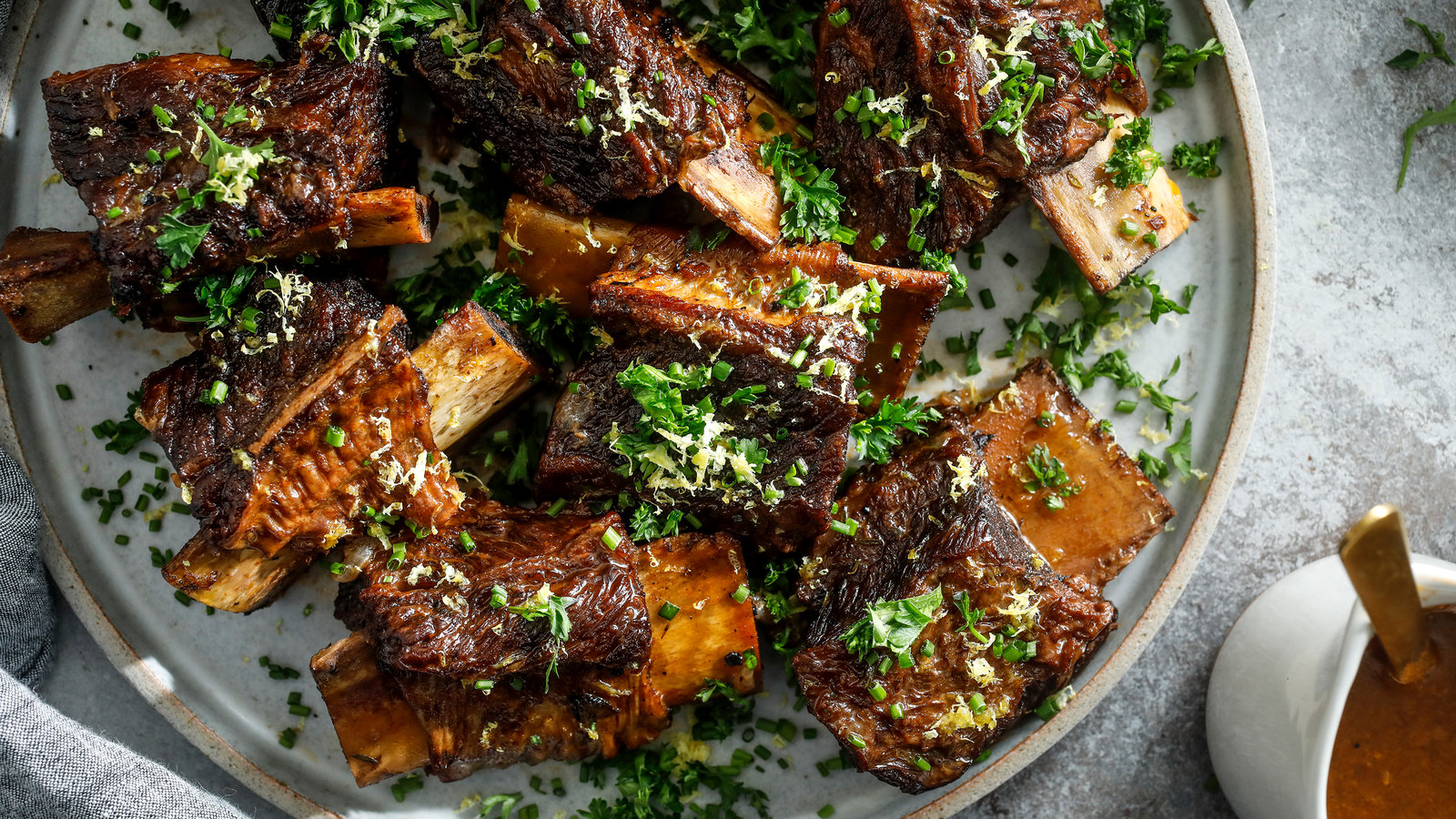
Garlic & Red Wine Short Ribs: From Stovetop Sizzle to Slow Cooker Perfection
There's a certain magic that happens when humble ingredients transform into an extraordinary meal through patience and proper technique. Braised short ribs, particularly when infused with the robust flavors of garlic and red wine, epitomize this culinary alchemy. This dish isn't just food; it's a deeply comforting experience, a testament to the power of low and slow cooking, and surprisingly, a foolproof undertaking for home cooks of all levels. Whether you prefer the traditional stovetop-to-oven method or the set-it-and-forget-it convenience of a slow cooker, mastering this classic
braised short rib recipe promises a remarkably tender, deeply flavorful, and utterly satisfying dinner.
The Foundation: Understanding the Art of Braising
Braising is a timeless cooking method that involves searing meat at a high temperature, then slowly cooking it in a covered pot with liquid, typically for several hours. This two-step process is crucial for developing complex flavors and achieving an incredibly tender texture. For short ribs, two key principles underpin success:
1.
Deep, Dark Browning: This is non-negotiable. The initial sear isn't just about color; it's about the Maillard reaction – a chemical process that creates hundreds of new flavor compounds, giving the meat a rich, caramelized crust. Without this crucial step, your ribs will lack depth and intensity. Think deeply, darkly, crusty, and caramelized for maximum impact. If you want to delve deeper into this critical step, explore our guide on
Master Foolproof Braised Short Ribs: Deep Browning & Fork-Tender.
2.
Fork-Tender Doneness: The braising liquid, along with extended cooking time, slowly breaks down the tough connective tissues and collagen in the short ribs, transforming them into melt-in-your-mouth goodness. You'll know they're done when the meat can be easily shredded with a fork, practically falling off the bone. Undercooking is the only real mistake you can make with this dish.
When selecting your short ribs, opt for
bone-in cuts that are at least 1½ inches thick and visibly meaty. The bone adds significant flavor and helps retain moisture during the long cooking process. While boneless ribs can work, bone-in truly delivers the most authentic and robust experience. The rich, savory profile of short ribs, complemented by the pungency of garlic and the tannic fruitiness of red wine, creates a harmonious symphony of flavors that is both elegant and rustic.
Crafting the Aromatic Base: Step-by-Step Flavor Development
The beauty of this
braised short rib recipe lies in its straightforward layering of flavors, starting right on your stovetop.
The All-Important Sear
Begin by heating a substantial, heavy-bottomed pot like a Dutch oven over medium-high heat. Add a couple of tablespoons of vegetable oil, then generously season your bone-in short ribs with kosher salt and freshly ground pepper on all sides. This seasoning penetrates the meat and contributes to the crust.
Working in batches is critical here.
Do not overcrowd the pot. Give each piece of short rib ample space to make direct contact with the hot surface. Sear the ribs for 6 to 8 minutes per side, turning them to achieve that deep, even, golden-brown crust. This meticulous browning is where the flavor journey truly begins. Once seared, transfer the ribs to a plate and set aside, allowing any accumulated juices to collect – these will go back into the pot later.
Building Layers of Flavor
After searing, pour off all but about 2 tablespoons of the rendered fat from the pot, making sure to leave behind all those magnificent browned bits stuck to the bottom. Reduce the heat to medium. This is where the aromatics come in.
First, add two large heads of garlic, halved crosswise and cut side down. Cook them undisturbed for 1 to 2 minutes until they turn golden brown. This gentle caramelization tames the garlic's raw bite and enhances its sweetness. Next, add your chopped mirepoix: a medium onion, four ribs of celery, and two medium carrots. Season lightly with salt and pepper, tossing to coat. Cook until the vegetables soften but aren't yet browned, typically 5 to 10 minutes.
Now, stir in 3 tablespoons of tomato paste. Continue to cook, stirring occasionally, until the tomato paste begins to caramelize on the bottom and sides of the pot – about 2 to 3 minutes. This step deepens the tomato flavor, transforming it into a richer, less acidic base.
Add 2 cups of dry red wine (a Cabernet Sauvignon, Merlot, or Pinot Noir works wonderfully – nothing too sweet or expensive). Use a wooden spoon to vigorously scrape up all those browned and caramelized bits from the bottom of the pot. This deglazing technique is essential for incorporating all the incredible flavor built up in the previous steps into your sauce. Let the wine simmer for 2 to 3 minutes, allowing its raw edge to cook off and reduce slightly. Finally, stir in 2 cups of beef stock or bone broth along with 4 sprigs of fresh thyme.
Using tongs, carefully return the seared short ribs and any accumulated juices to the pot, nestling them among the vegetables. Ensure the ribs are mostly submerged in the liquid. If they're just barely covered, arrange them bone-side up so the meatier parts are in the liquid, adding more beef stock or even water if necessary to achieve adequate coverage. Bring the liquid to a gentle simmer.
From Stovetop to Slow Cooker: Adapting for Convenience
Once your ribs are seared and the aromatic base is built, you have a choice: the classic oven braise or the convenient slow cooker. Both methods yield exceptional results.
The Oven Method (Classic Braising)
For the traditional approach, once your pot of ribs is simmering on the stovetop, cover it tightly and transfer it to a preheated oven set to a low and slow 275°F (135°C). The consistent, gentle heat of the oven is ideal for even cooking, ensuring that every part of the meat tenderizes beautifully without scorching. Cook undisturbed for 3½ to 4 hours. Resist the urge to peek frequently, as this releases steam and drops the internal temperature. After the specified time, check for doneness: the meat should be meltingly tender and easily shredded with a fork.
Slow Cooker Adaptation
This
braised short rib recipe is perfectly suited for a slow cooker, making it an excellent "do-ahead" dinner option. After searing the ribs and building the aromatic base in your Dutch oven (steps remain the same for flavor development), transfer everything – the browned ribs, the vegetables, and the braising liquid – into your slow cooker.
When using a slow cooker, you might need slightly less liquid than for oven braising, as there's less evaporation. Aim for the liquid to come about two-thirds to three-quarters up the ribs. Cover and cook on low for 6 to 8 hours, or on high for 3 to 4 hours, until the ribs are exquisitely fork-tender. This hands-off approach makes it perfect for busy weekdays or entertaining, allowing you to prepare the bulk of the meal in advance. For more ideas on making classic comfort food easy, explore
Classic Red Wine Braised Short Ribs: Your Easy Make-Ahead Dinner.
Finishing Touches and Serving Suggestions
Once your short ribs are perfectly tender, it's time for the final steps that elevate the dish from great to extraordinary.
Perfecting the Sauce
Carefully remove the tender ribs from the pot using tongs, taking care not to let the bones slip out, and transfer them to a warm plate. Now, consider your sauce. While you can serve the ribs directly from the pot, the braising vegetables will have given up most of their flavor and texture and can be a bit mushy. For a more refined sauce, strain the liquid through a fine-mesh sieve, pressing on the solids to extract all their goodness.
If you made the dish ahead of time, chilling it overnight allows the fat to solidify on top, making it easy to skim off for a lighter sauce. You can also reduce the strained sauce over medium-high heat for 10-15 minutes until it thickens slightly and intensifies in flavor. Taste and adjust seasoning as needed.
Garnishing for Freshness
Just before serving, return the ribs to the warmed sauce. A final flourish of freshness makes all the difference. Coarsely chopped fresh parsley, finely chopped chives, and a tablespoon of finely grated lemon zest sprinkled over the finished dish provide a vibrant contrast to the rich, deep flavors of the short ribs. The herbs add an herbaceous lift, while the lemon zest brightens the entire plate, cutting through the richness beautifully.
What to Serve With
These garlic and red wine braised short ribs pair wonderfully with a variety of sides. Creamy mashed potatoes, cheesy polenta, or a comforting mushroom risotto are classic choices that absorb the rich sauce beautifully. For something lighter, consider a simple side of roasted asparagus, green beans, or a crusty loaf of bread to sop up every last drop of that incredible sauce.
Conclusion
This garlic and red wine
braised short rib recipe is more than just a meal; it's a culinary journey that promises incredible flavors and textures with surprisingly little fuss. From the crucial initial sear to the patient, slow tenderizing, each step contributes to a deeply satisfying dish that is both elegant enough for a special occasion and comforting enough for a cozy night in. Embrace the process, trust in the transformation, and prepare to delight in a meal that will undoubtedly become a treasured favorite in your kitchen.